Showing posts with label Health Information. Show all posts

Wednesday, September 23, 2020

You'll Never Throw Away Avocado Seed After Watching This Video Tutorial On How To Make Avocado Tea


Avocado, green- coloured fruit has taken the world by storm with its amazing health benefits and buttery, creamy flavour and is now being added to almost every dish. But do you know that apart from the fleshy part of an avocado, its seed which we usually tend to discard, and the leaves are also beneficial?


Yes, you read it right! The seed and the leaves of an avocado can be used to prepare a healthy and soothing cup of tea.
The seed or pit of the avocado is often used in preparing smoothies and sauces. Now, it is also being used for making healing tea. It has a sort of bitter taste which can be easily balanced with natural sweeteners or by combining it with some other food. The leaves of the avocado tree are also packed with nutrients and can be consumed in the form of tea. It is useful in easing the symptoms of many diseases.
Health benefits of Avocado leaf tea:-
This tea helps in treating headaches as it improves the flow of oxygen in the brain. It also helps in reducing stress and provides a soothing effect. A combination of avocado leaves tea with honey can help in improving digestion and keep problems like constipation at bay. This herbal tea can aid in easing asthma symptoms and lowering the blood glucose levels. Other benefits of this tea include treating muscle soreness, reducing inflammation, curing kidney stones etc.
A hot cup of this tea after a meal can help in boosting your digestion as the pit is high in soluble fiber. It can also help in curing stomach aches and reduce inflammation. This tea is helpful in maintaining blood pressure and in reducing cholesterol levels. How to make tea with an avocado seed:-
To prepare this healthy tea, slice an avocado and remove its seed.
Add this seed to a container filled with water and bring it to a boil until it becomes soft.

Turn off the flame and pour the tea in a cup. Add a few drops of honey or any other natural sweetener to make it more palatable.

Then, remove and slice the seed into pieces boil for another 5 mins.

Sunday, March 29, 2020

What Happens To Your Body When You Walk Barefoot On Earth.


An expert in energy medicine field and a biology professor at the University of Pittsburgh explains that walking barefoot can provide a feeling of well-being and improve health.

Years of extensive research has shown that connecting to the Earth's natural energy, by walking barefoot on grass, sand, dirt or rock can diminish chronic pain, fatigue and other ailments that plague so many people today. This connection is referred to as Earthing or Grounding.

One reason that running in bare feet could help strengthen your feet and arches is that landing with a mid-foot or forefoot strike can actually engage the muscles in your feet.

Benefits of Earthing

Dr. Jonathan Kaplan, a foot and ankle specialist and surgeon at Hoag Orthopaedic Institute, sheds some light on how Earthing improves the physical health of your feet:
  1. Better control of your foot position as it lands on the ground.
  2. Improves balance.
  3. Improves body awareness in relation to the surroundings. This is one of the reasons it is recommended that toddlers don’t wear shoes when first walking.
  4. By improving foot mechanics, it also helps in keeping your knees, hips, and the core in proper alignment and movement.
  5. Prevents your foot and ankle joints from exaggerated movements and range of motion which also allows for proper strength and stability in the muscles and ligaments in your ankle and legs.
  6. Decreases issues from shoes which don’t fit properly (i.e. bunions, hammer toes).
  7. Increases leg strength, which helps improve lower back strength.
I think we would be hard-pressed to find a better win-win situation. By walking, we exercise our muscles and cardiovascular system, improve our mental health, reduce stress and support our overall wellness. Simply taking our shoes off seems to multiply those benefits by allowing us to synchronize with the earth’s natural electric charge.

However, you should always be aware of your surroundings and make sure it's safe for you to walk barefoot (i.e. the terrain isn't sharp or has the potential to injure your feet). If you're wondering whether walking barefoot is the right move for you, it's always best to consult your primary doctor before hitting the grass.

Overall, it might be worth it to kick your shoes off once in a while. On an evolutionary level, it all makes complete sense: We evolved close to the earth, and it’s only relatively recently that we have been so keen to remove ourselves from nature.

Moreover, it also states that earthing would help to regulate both the endocrine and the nervous systems. Thus for a healthier mind and body, AYUSH suggests that you take a fixed amount of time to walk barefoot, thus taking in the positive energy from the Mother Earth.


Wednesday, March 25, 2020

How To Make 2- Ingredient Anti Aging Mask -Look 10 Years younger - Anti Aging Secret


Egg white is considered an excellent food that can be used when making facials to look young. Egg whites contain protein, riboflavin, magnesium, and potassium. These aspects promote youthful, hydrated, wrinkle-free skin, and protein has properties that boost the healing and growth of facial tissues. Eggs are great for deep cleansing treatments and the protein is good for firming up your skin. Shrink or tighten pores with an egg white face mask.

Instructions:

In a small bowl, add the egg white and beat well until frothy.

To that, add the Vaseline and lemon juice and stir well.
Apply all over skin or just on certain areas. Leave on for 10-20 minutes.

Rinse off and pat dry. This deep moisturizing mask softens the skin and moisturizing elements in this mask soften wrinkles and fine lines.

A thin coat of Vaseline over a freshly washed skin helps keep the water in the skin from evaporating,” she says. Petroleum jelly is one of the strongest moisturizers out there. Moisturized skin will look younger as it'll make wrinkles less apparent, but the jelly can't actually prevent wrinkles.

Applying Vaseline on face does something truly magical – it brightens dull skin, softens, and adds a beautiful glow that works for all skin types, even sensitive skin!


Friday, March 20, 2020

Surprising Benefits of Eating Lemons

Lemons are a popular fruit that people use in small quantities to add flavor to food. However, they rarely consume them alone due to their intense, sour taste. Lemonsgive flavor to baked goods, sauces, salad dressings, marinades, drinks, and desserts, and they are also a good source of vitamin C.

Lemon water is generally safe to drink, but there are a few potential side effects to be aware of. Lemon contains citric acid, which may erode tooth enamel. The citric acid may cause heartburn in some people. Others experience relief from heartburn, as lemon juice becomes alkaline, reducing acidity in digestion.

Lemon water can promote fullness, support hydration, boost metabolism and increase weight loss. However, lemon water is no better than regular water when it comes to losing fat. That being said, it is tasty, easy to make and can be used as a low-calorie replacement for higher-calorie beverages.

Lemon water contains high amounts of citrate, and numerous human studies have found it can successfully help treat kidney stones However, lemon water may also be a good alternative for those who don't tolerate potassium citrate as a first-line treatment.

High blood pressure can lead to scary stuff like kidney failure, a heart attack or a stroke. Luckily, eating lemons on the regular has been proven to help.

Pectin, which is found in the peel and pulp of citrus fruits like lemons, has been proven to help people feel fuller, longer. 

Although regular inflammation is important for your body’s immune response to fight off something like a cold, chronic inflammation can lead to weight gain, fatigue, digestive issues, mood swings, and even cancer -- pretty nasty stuff. Luckily, vitamin C has antioxidant properties that have been proven to reduce inflammation.

If you’ve ever had a kidney stone, then you know the excruciating pain that comes with trying to pass one. But if lemons are regularly a part of your diet, you may not have to worry about it. Lemons have a high amount of citrate, which has been proven to naturally prevent the formation of kidney stones.

Tuesday, March 17, 2020

How to Flush Kidney Stones Naturally With Just Four Ingredients

Kidney stones are a common health problem. Passing these stones can be incredibly painful, and unfortunately, people who have experienced kidney stones are more likely to get them again.
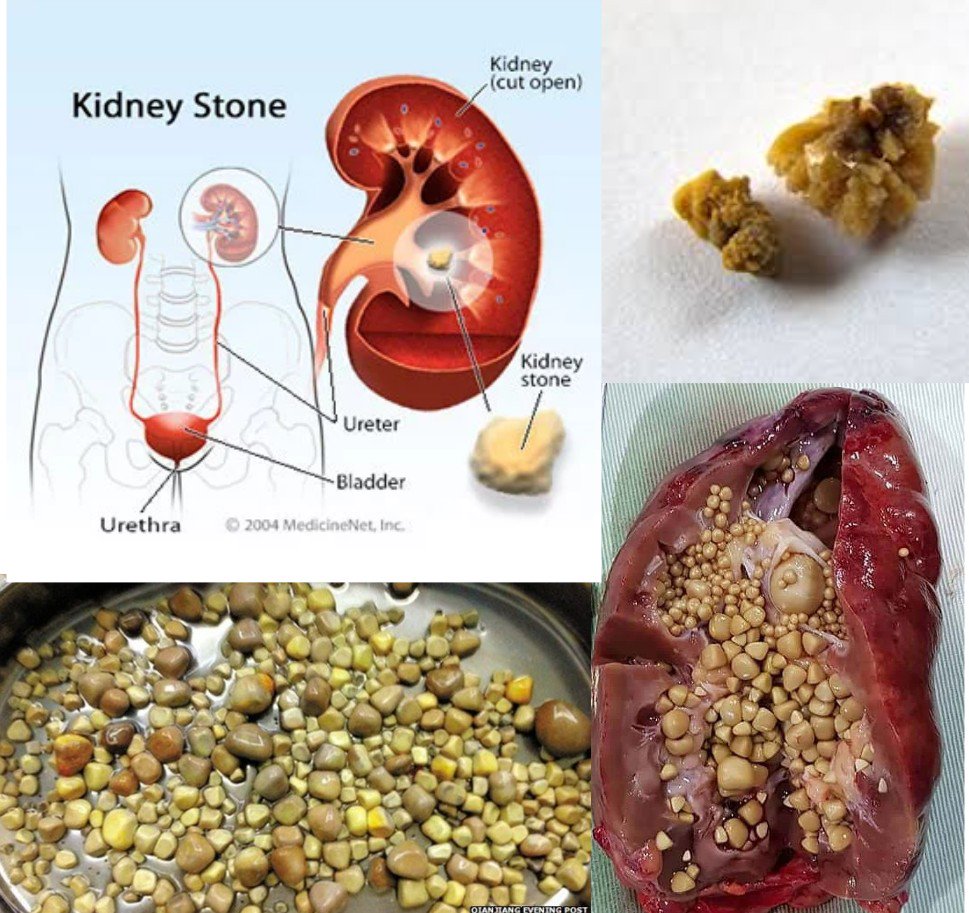
kidney stones also known as renal stones or nephrolithiasis, kidney stones are composed of hard, solid waste materials that build up in the kidneys and form crystals. While smaller stones are usually not a problem, larger stones may cause a blockage in part of your urinary system as they leave your body. This can lead to severe pain, vomiting, and bleeding.
When it comes to kidney stone prevention, drinking plenty of fluids is generally recommended. Fluids dilute and increase the volume of the stone-forming substances in urine, which makes them less likely to crystallize.
This drink has helped so many people, to begin with, you will need the following four
Ingredients:
2 cucumbers
Some mint leaves
1 liter of water
Natural, organic honey
Put all of the ingredients in the blender (do not peel the cucumber.) Blend until the mix appears smooth and texturized.
Water is a must-have ingredient, especially when fighting kidney stones. You should be drinking at least ten 12-ounce glasses of water per day until the stone passes. This recipe calls for a liter, which is approximately 34 ounces. Water helps dissolve the kidney stone and promotes urination – two things critical for kidney stone passage. Plenty of water will help flush out toxins and relieve the pain of kidney stones as well.
If you've had a kidney stone, you're very likely to develop another one within 5 to 10 years. Fortunately, taking certain dietary measures may help reduce this risk.
For example, you can try increasing your fluid intake, consuming foods rich in certain nutrients, eating less animal protein, and avoiding sodium.

Thursday, March 12, 2020

11 Foods to Avoid If You Have High Blood Pressure


Blood pressure is the pressure of circulating blood on the walls of blood vessels. Most of this pressure is due to work done by the heart by pumping blood through the circulatory system. Used without further specification, "blood pressure" usually refers to the pressure in large arteries of the systemic circulation. Here’s a list of 10 foods and drinks to be cautious of or avoid to help you lower your blood pressure.
Salt: Salt is one of the most problematic ingredients for people with high blood pressure, and it’s important to make sure you don’t eat too much of it. If it’s difficult to cut salt out of your cooking, focus instead on other ingredients that can help make your dishes taste better.
Deli meat: Ham, bacon, and deli meats are often prepared by soaking them in a brine bath made with salt water and spices. While cured meats can be really tasty, it’s best to avoid them.
Bread: Similar to processed meats, bread is also high in sodium, and therefore, it should only be consumed in moderation if you have hypertension. Studies show that a single slice of bread can contain as much as 200 milligrams of sodium before ever piling on your favorite deli meats and condiments.
Pickles: Pickled vegetables also carry a lot of salt. Pickling is a process where food sits in a solution of salt (to kill off bad bacteria) and other flavoring agents. Because of this, pickled foods often are high in salt. If you’re concerned about your blood pressure, avoid eating pickles or other pickled foods like kimchi and sauerkraut, or at least wash them before eating to get rid of some of the salt.
Pizza: If you’re a fan of pizza and have been diagnosed with hypertension, this is one food that you will want to avoid. Most pizzas, frozen or fresh, are loaded with cheese, cured meats, and tomato sauce, and all of these ingredients contain a large amount of sodium. In fact, many of the most popular pizza brands contain over 700 mg of sodium, according to the USDA.
Red Meat: Despite being a great source of protein, red meat contains saturated fat and sodium, both of which can contribute to hypertension. It is also worth noting that the saturated fat in red meat can lead to clogged arteries, which can trigger heart disease, heart attacks, and strokes.
Bacon: Despite being an American breakfast staple for so many people, bacon is sadly another food that should be avoided if you have hypertension. Bacon is chock-full of fat, sodium, and calories. According to the USDA, 3 slices of this delicious breakfast meat contains upwards of 576 mg of sodium, 311 calories, and 3 grams of saturated fat.
Saturated and trans fats: If you have hypertension, it would be a good idea to eschew all foods that contain saturated and trans fats from your diet as they can both raise blood pressure. Some of the foods that contain saturated fats include full-dairy products, red meat, and chicken skin. These fats can also increase your risk of developing coronary heart disease as well. Ideally, you should consider replacing animal, saturated, and trans fats with healthier plant-based fats, which can be found in seeds, nuts, olive oil, and avocados.
Alcohol: An alcoholic drink can raise your blood pressure slightly, but if you drink too much, your blood pressure may rise dramatically. For people who drink alcohol on a daily or semi-daily basis, cutting back to recommended levels can lower blood pressure by about 4 mmHg.
Caffeine: Coffee, tea, and energy drinks often come with caffeine, which can cause your blood pressure to rise. For people with a healthy blood pressure, caffeine really isn’t an issue, but if you have hypertension, it’s recommended that you limit your caffeine intake and choose decaf or half-caff coffee or caffeine-free teas instead.
Canned Foods: Despite being delicious and convenient, canned foods should be avoided if you have hypertension due to their high sodium content. The same can be said canned and packaged broths and stocks as well. Canned or bottled tomato products like ketchup and tomato sauce, for example, can pack almost as much sodium as canned soups.
All in all, foods that are high in fat and sodium should be avoided if you have hypertension. The best way to manage hypertension and ultimately get it under control is by consuming a healthy diet.


Wednesday, March 11, 2020

I Drank Celery Juice For 7 Days And This Is What Happened


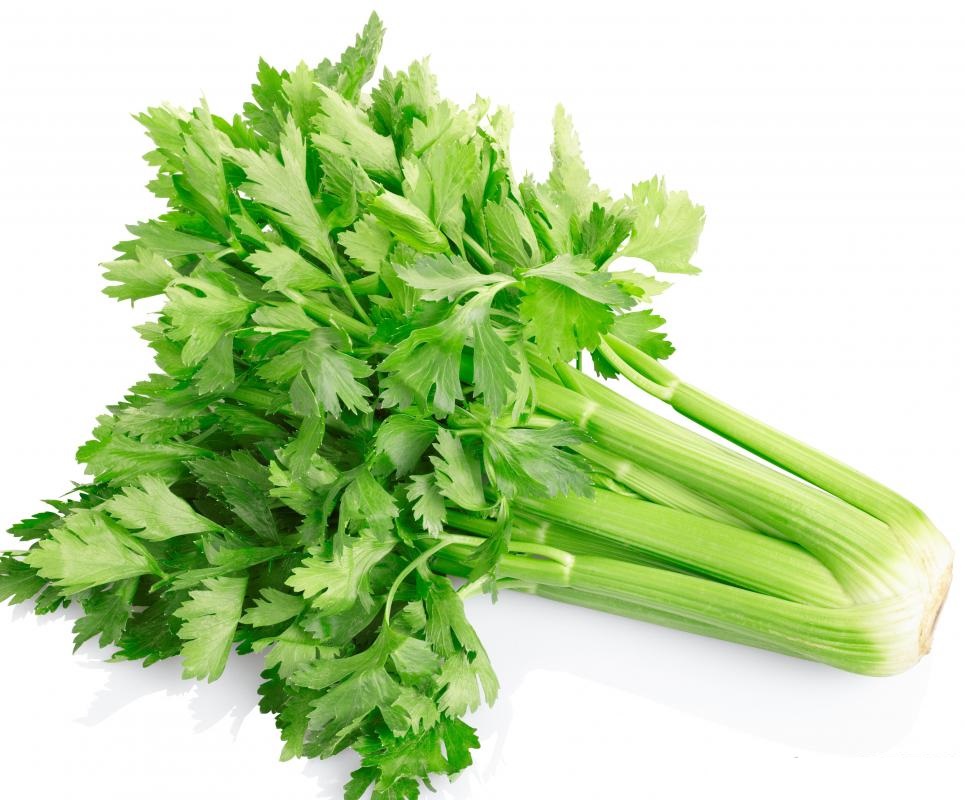
CELERY JUICE is the hot new health trend that I had to try for myself. I tried drinking celery juice for 7 days and here's what happened. Fresh celery juice is one of the most powerful and healing juices one can drink.

Celery juice is a medicinal, not a caloric drink, so you'll still need breakfast afterward to power you through the morning. Simply wait at least 15 to 30 minutes after drinking your celery juice before consuming anything else.

Celery juice is extremely detoxifying, as it flushes out old toxins and poisons that have built up over time. It can help kill viruses, bad bacteria, fungi and parasites in your body. This greatly helps to maintain a healthy gut, improve digestion and reduce bloating.

My first few days of drinking celery juice, I felt absolutely amazing. My digestion was great, my bloating was going down and I felt so much more energy.

After four days passed, my digestion, bloating and acne became better than ever before. My acne didn’t completely disappear, but it has been drastically alleviated.

Six days in, The difference that celery juice has made to my skin is pretty significant; it looks and feels more hydrated and plumper, something I’m putting down to celery’s anti-inflammatory properties.

As well as a major skin boost, I’ve lost 4 lbs since the beginning of the week. That could be down to my diet being better generally, but I’m sure the morning juice didn’t hurt in terms of putting me on the right track for the day.

I also have more energy and I’m sleeping better than I have in a while. Given the huge improvements after just five days, I’ll definitely be continuing to start my day with a glass of the green stuff.

I’ve been drinking celery juice for 2 + weeks now and I feel amazing! I’ve lost 4lbs and my stomach has flatten out. I think most of that was bloat from poor digestion. I ate clean and organic but still had issues. I swear by this! My appetite has been suppressed and my skin seems to look better.


Tuesday, March 10, 2020

Health Benefits Of Eating Brussels Sprouts Every Day

The Brussels sprout is a member of the Gemmifera Group of cabbages, grown for its edible buds. The leaf vegetables are typically 1.5–4.0 cm in diameter and look like miniature cabbages. The Brussels sprout has long been popular in Brussels, Belgium, and may have gained its name there
Brussels sprout is rich in nutrients and has been related to many health benefits. In addition to fiber, it has antioxidants, omega-3 fats, vitamin K, vitamin C, and more. These nutrients can aid in curbing conditions like cancer, constipation, heart disease, and diabetes among others.
Not many vegetables come packed with these many nutrients. But keep in mind that you need to consume Brussels sprout regularly in particular amounts to meet your daily requirements. Here are ten reasons to eat Brussels sprouts for health.
Brussels sprouts have minimal calories but plenty of fiber, minerals, and vitamins. They are unusually high in vitamin K, which is crucial for bone health and blood clotting. They also have high levels of vitamin C, an antioxidant that assists in the promotion of iron absorption as well as immune function and tissue repair.
The high levels of fiber assists in supporting gut health and regularity. Moreover, Brussels sprout has trace amounts of potassium, thiamine, phosphorous, vitamin B6, iron, and magnesium. This makes it ideal to consume Brussels sprouts for health.
Brussels sprouts are healthy additions to any meal and are simple to incorporate into entrees and side dishes. People usually have them baked, sautéed, roasted, or boiled. For an easy dish, slice off the ends of the vegetable. Mix them in some pepper, salt, and olive oil before roasting them on a baking sheet until they are crispy. Brussels sprout can also be included in stir-fried dishes, pasta, or frittatas for a nutritious and flavorful dinner.
Brussels sprouts offer 81 percent of your daily vitamin C requirements per 78 grams of cooked serving. Vitamin C is essential for the repair and growth of body tissues. Also, it serves as an antioxidant by helping in the production of proteins such as collagen, and boosts immunity. The vitamin can also boost the absorption of non-heme iron, which is an iron form seen in plant foods that are hard to absorb as compared to iron from animal sources.
A study showed that consuming 100 mg of vitamin C with a meal improved the iron absorption by 67 percent. Vitamin C can be found in numerous vegetables and fruits. Brussels sprout is one of the best vegetable sources for the vitamin.
Inflammation is a typical immune response. However, chronic inflammation can lead to conditions like cancer, heart disease, and diabetes. According to research, it has been discovered that compounds present in Brussels sprouts have anti-inflammatory properties.
Moreover, Brussels sprout has a lot of antioxidants that can assist in neutralizing the free radicals that lead to inflammation. Brussels sprout can decrease inflammation and minimize the risk of pro-inflammatory diseases. Explains why it is wise to eat Brussels sprouts for health.
Brussels sprouts are one of the top plant sources of omega-3 fats, whereby a serving of 78 grams has 135 mg of ALA. Omega-3 fatty acids aid in reducing blood triglycerides, slowing cognitive decline, reducing insulin resistance, and decreasing inflammation.
Brussels sprouts can assist in keeping steady levels of your blood sugar. Many studies have associated a high intake of Brussels sprout to a minimized risk of diabetes. This is because the vegetable is rich in fiber, which assists in regulating blood sugar levels.
Fiber moves slowly in the gut undigested and slows down sugar absorption into the blood. Brussels sprout also has alpha-lipoic acid, an antioxidant that has been seen to have impacts on insulin and blood sugar.
Insulin hormone is responsible for taking sugar from your blood to your cells to control the levels of sugar in the blood. The researchers concluded that alpha-lipoic acid enhanced the efficient working of insulin in stabilizing blood sugar levels. Including Brussels sprout in your meals will assist you in stabilizing levels of blood sugar.
Brussels sprout has plenty of vitamin K. You will get 137 percent of the daily vitamin K requirement in 78 grams of the vegetable. This crucial nutrient plays a critical role in your body. It aids in coagulation, which is the creation of blood clots that curb bleeding.
Vitamin K may also promote bone growth and protection against osteoporosis, a disease featuring continual bone loss. According to research, vitamin K supplements can boost bone strength and minimize the likelihood of bone fracture in postmenopausal women.
About 78 grams of Brussels sprout has 2 grams of fiber, offering up to eight percent of the daily fiber requirements. Fiber is a vital part of your health, and having it in your diet will offer multiple health advantages. Dietary fiber can assist in relieving constipation by increasing stool frequency, boosting stool consistency, and softening stool to ease passing. Fiber also assists in the promotion of digestive health by assisting in feeding the beneficial gut bacteria.

3 Veggies You Need To Eat Every Day

Spinach:
Spinach Assists with Appetite Control. A diet high in fiber has numerous benefits. According to the Mayo Clinic, it can help normalize bowel movements, lower cholesterol levels, control blood sugar, maintain bowel health and aid in achieving a healthy weight.

It may be green and leafy, but spinach is no nutritional wallflower, and you know from reading Eat This, Not That!. This noted muscle builder is a rich source of plant-based omega-3s and folate, which help reduce the risk of heart disease, stroke, and osteoporosis. Aim for 1 cup fresh spinach or 1/2 cup cooked per day.

Spinach is a healthy and nutrient-rich food you should certainly include in your everyday diet. You may hate spinach, but it is a wonderful source of iron, folate, chlorophyll, Vitamin E, magnesium, Vitamin A, fiber, plant protein, and Vitamin C. By eating spinach, you're just cleaning your skin from the inside out!


Celery:
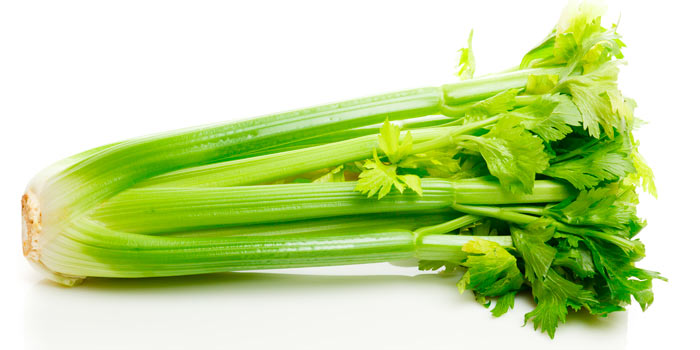
It helps keep your bowel movements regular, thereby reducing constipation; helps keep your bowels healthy, and aids in weight maintenance, according to the Mayo Clinic. One cup of celery provides about 6 percent of your daily fiber needs.

It's suggested that you consume one, 16-ounce glass of celery juice every morning for at least one full week to reap many of the benefits.


Antioxidants help neutralize free radicals and prevent them from causing damage that may otherwise lead to disease development. A stick of celery also provides small amounts of vitamin K, folate, vitamin A, potassium, and vitamin C.


kale:
Because of the low calorie and high water content, kale has a low energy density. Eating plenty of foods with a low energy density has been shown to aid weight loss in numerous studies. Kale also contains small amounts of protein and fiber.

There's no doubt that kale is an excellent health food. Just one cup can give you more than 200% of your vitamin A for the day, and nearly 700% of your vitamin K. But in some cases, eating kale might not be as healthy as you think. For example, it can interact with thyroid function if it's eaten in very high amounts.


Kale contains fiber, antioxidants, calcium, vitamins C and K, iron, and a wide range of other nutrients that can help prevent various health problems. Antioxidants help the body remove unwanted toxins that result from natural processes and environmental pressures.

10 Easy Ways To Lose Belly Fat (Without Going to The Gym)


Losing weight in general is hard, but dropping belly fat in particular can feel insurmountable.
Stubborn tummy fat can be very hard to shift. Due to our often sedentary lifestyles and stressful jobs, medicated with alcohol and biscuits, belly fat can easily build up.

Below, we've compiled ten easy-to-follow steps that can help melt that middle away. From introducing more protein and soluble fibre into your diet, to adding resistance training to your workouts, it shouldn't be long before you're saying bye bye beer belly, hello fab abs! 


Coconut Oil: Put aside the butter and olive oil: coconut oil should be your new go-to medium for frying and basting. The reason is that it can withstand much higher heats, so it's less carcinogenic than other oils.


Lifting Weights: Resistance training, also known as weight lifting or strength training, is important for improving and maintaining muscle mass. It also helps to spike our metabolisms, which means your body burns fat even after your workout.


Plenty of Restful Sleep: Sleep is one of the most important aspects of your overall health and wellbeing, especially when it comes to managing your weight.  Sleep is huge when it comes to your weight loss success—and that’s both if you sleep too much or too little. If you’re only getting a minimal amount of sleep each night, that leaves more time for you to snack and make otherwise unhealthy decisions that could affect your weight loss.


Eat Fatty Fish: Omega 3 fatty acids are lauded with such attractive qualities as delaying ageing and fighting degenerative diseases. However, it's less well known that eating fatty fish is also excellent for weight loss


Avoid Sugary Foods Fruit Juice: Calorie for calorie, sugar is different to other food groups such as protein, complex carbohydrates, and fat, because it confuses your normal appetite controls and causes your body to produce fat. Refined sugars are often hidden in a plethora of different products that you wouldn't expect such as fruit juices.


Reduce Refined Carbs: Carb restriction is a very effective way to lose fat. Low-carb diets also lead to quick reductions in water weight, which gives people near instant results. A difference on the scale is often seen within 1–2 days.


Reduce Levels of Stress:  Everyone has stress. How you handle it matters. The best things you can do include relaxing with friends and family, meditating, exercising to blow off steam, and getting counseling. That leaves you healthier and better prepared to make good choices for yourself. Stress causes your body to gain fat because it triggers the release of the stress hormone cortisol, which in turn increases your appetite.


Consume High-Protein Diet: people with a higher protein intake have lower levels of belly fat. It also raises your metabolic rate, making you more likely to build muscle during and after exercise. There’s a reason everyone harps on about protein: Not only does it help keep you full, but it’s also responsible for repairing the tiny tears caused by strength training in your muscles. This helps them grow bigger and stronger, nudging out body fat in the process.


Avoid Alcohol Consumption: Alcohol contains a very high amount of 'empty' calories, which don't have any nutritional value. Women are more likely to store the fat created by surplus calories on their hips, thighs and arms, men store it on their tummy, hence the 'beer belly'. If you're keen on reducing your tummy fat quickly, it's advised that you cut out alcohol from your diet completely.


Consume a lot of Soluble Fiber: Foods that are high in refined carbs and sugar don’t actually tame your hunger, so you end up reaching for more. Instead, eat more fibrous foods like whole grain breads, oats, vegetables, fruits, beans, legumes, and chia seeds. “They fill you up more,” says Dr. Cheskin, as fiber helps slow your digestion.


Conclusion:

if you are still wondering of how to lose belly fat, it takes months of hard work and commitment on your part in executing the strategies that suit you. Whatever the methods you have chosen, the right combination will work like a charm.

Sunday, March 8, 2020

Health Benefits Of Drinking Celery Juice


Celery contains impressive amounts of vitamin C and K, as well as folate and potassium, and studies show that celery may help to fight against cancer and liver disease, reduce inflammation (especially for brain-related diseases) and boost cardiovascular health.


Celery juice is extremely detoxifying, as it flushes out old toxins and poisons that have built up over time. It can help kill viruses, bad bacteria, fungi and parasites in your body. This greatly helps to maintain a healthy gut, improve digestion and reduce bloating.


16 ounces of straight celery juice a day is ideal for receiving its healing benefits. Increasing your intake up to 24 to 32 ounces a day can be extremely beneficial for anyone suffering with chronic illness or symptoms.


Although celery juice is a healthy, low-calorie beverage, the key to long-term weight loss doesn't lie with a single food. Instead, combine exercise with a nutritious diet based on whole foods. Celery juice is low in calories and may aid weight loss if you drink it instead of higher-calorie drinks.


Celery juice is a medicinal, not a caloric drink, so you'll still need breakfast afterward to power you through the morning. Simply wait at least 15 to 30 minutes after drinking your celery juice before consuming anything else.


Celery juice helps cleanse and strengthen the liver, and breaks up undigested rotting proteins and fats that contribute to a sluggish liver, which is behind high cholesterol. Celery juice helps destroy the bacteria responsible for ulcers.


Celery is loaded with essential minerals and vitamins such as folate, potassium, vitamin B6, vitamin K and vitamin C. A cocktail for the skin. Some swear by celery's skin healing properties, saying that it helped clear up skin conditions like psoriasis and acne.


Celery is a food that contains a lot of water, which will act as a diuretic in your body and flush out fluids and toxins. While this is great for your body, it can be very disruptive to your sleep if you eat celery too close to bedtime.


Drink Celery juice immediately for best results. Alternatively, you can chop the celery and blend it in a high-speed blender until smooth. Don't add water or ice for the greatest healing benefits, use only celery. Strain the blended celery well through a fine mesh strainer, cheesecloth or nut milk bag and drink immediately.

Friday, February 21, 2020

Can You Lose Weight Eating Eggs Everyday??

Eggs might just be the easiest, cheapest and most versatile way to up your protein intake. Eggs are among the best sources of protein in the diet. The simplest way to lose weight is to reduce your daily calorie intake. Three large boiled eggs contain less than 240 calories. By adding a generous serving of vegetables, you're able to have a complete meal for only about 300 calories.


Eggs are a low-calorie food rich in protein and other nutrients. Eating eggs may support weight loss, especially if a person incorporates them into a calorie-controlled diet. Eating an egg-based breakfast may stop a person from consuming extra calories throughout the day.


A daily egg can have many health benefits. According to Healthy Food House, they can help boost your immune system, improve teeth and bone health and skin. Eating eggs leads to elevated levels of high-density lipoprotein (HDL), also known as the “good” cholesterol. People who have higher HDL levels have a lower risk of heart disease, stroke and other health issues. According to one study, eating two eggs a day for six weeks increased HDL levels by 10%.


Eggs are a very good source of inexpensive, high-quality protein. More than half the protein of an egg is found in the egg white, which also includes vitamin B2 and lower amounts of fat than the yolk. Eggs are rich sources of selenium, vitamin D, B6, B12 and minerals such as zinc, iron and copper.


You might have noticed that eating eggs for breakfast may keep you feeling fuller for longer — that’s generally attributed to the high protein content in eggs. Whether you have an omelette for breakfast or a hard-boiled egg as a snack, eggs can help you stay satisfied after or between meals.

Protein is an essential macronutrient to help you lose weight and build muscle. But to make sure you get enough in a day, you have to load up at each meal.  If you're relying on eggs as your main source of protein for a meal, you'll have to eat two or three whole eggs to bump up that protein content to 12 to 18 grams.


Eggs are a low-calorie food rich in protein and other nutrients. Eating eggs may support weight loss, especially if a person incorporates them into a calorie-controlled diet. Eating an egg-based breakfast may stop a person from consuming extra calories throughout the day.


As part of a balanced diet, eggs can provide many health benefits. A growing body of research suggests that eating eggs can also support weight loss. Eggs are rich in protein, low in calories, and they may boost the metabolism.


Wednesday, February 19, 2020

Why You Should Eat Eggs Every Day


Eggs might just be the easiest, cheapest and most versatile way to up your protein intake. Eggs are a very good source of inexpensive, high-quality protein. More than half the protein of an egg is found in the egg white, which also includes vitamin B2 and lower amounts of fat than the yolk. Eggs are rich sources of selenium, vitamin D, B6, B12 and minerals such as zinc, iron and copper.

A new study published in the journal Heart suggests that eating eggs may even have a protective effect: People who reported eating up to one egg per day had an 11% lower risk of developing heart disease—and an 18% lower risk of dying from it—over the following nine years than those who did not eat eggs.

A large egg contains 77 calories, with 6 grams of quality protein, 5 grams of fat and trace amounts of carbohydrates. It’s very important to realize that almost all the nutrients are contained in the yolk, the white contains only protein.


Eggs Improve Your Cholesterol Profile and do NOT Raise Your Risk of Cardiovascular Disease. The main reason people have been warned about eggs is that they're loaded with cholesterol. One large egg contains 212 mg of cholesterol, which is a LOT compared to most other foods.


Proteins are the main building blocks of the body and serve both structural and functional purposes. They consist of amino acids that are linked together, kind of like beads on a string, then folded into complex shapes.


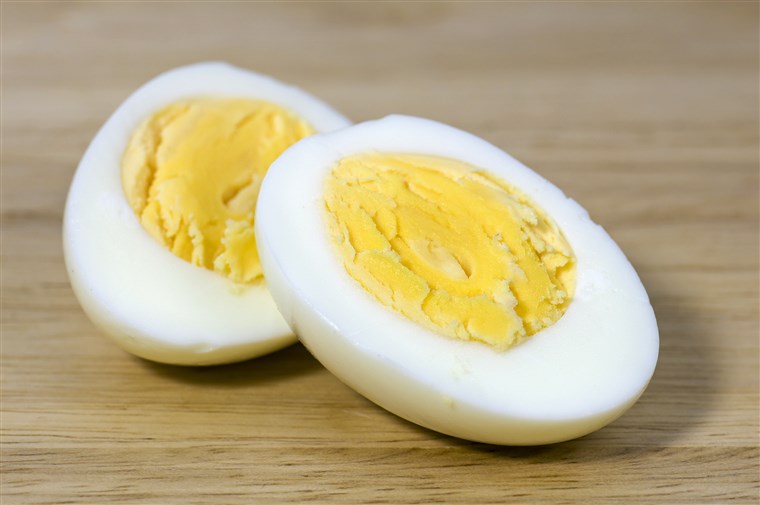
Healthiest way to eat eggs are shorter and lower-heat cooking methods cause less oxidation of cholesterol and help retain most of the nutrients in the eggs. For this reason, poached and boiled (either hard or soft) eggs may be the healthiest to eat. These cooking methods also don't add any unnecessary calories.


Adding eggs to your diet may be one of the easiest things to do if you're trying to lose weight. They can make you feel more full and help you eat fewer calories throughout the day. Eggs are a great source of many vitamins and minerals that are commonly lacking in the diet.


The science is clear that up to 3 whole eggs per day are perfectly safe for healthy people. There is no evidence that going beyond that is harmful — it is just "uncharted territory," as it hasn't been studied.

Eggs are pretty much nature's perfect food. On top of everything else, they are also cheap, easy to prepare, go with almost any food and taste awesome.